
If want all of your holiday gifts to arrive by Christmas this year, you'd better finish your gift shopping soon.
via FOX News http://ift.tt/2gBLECA
via FOX News http://ift.tt/2gBLECA
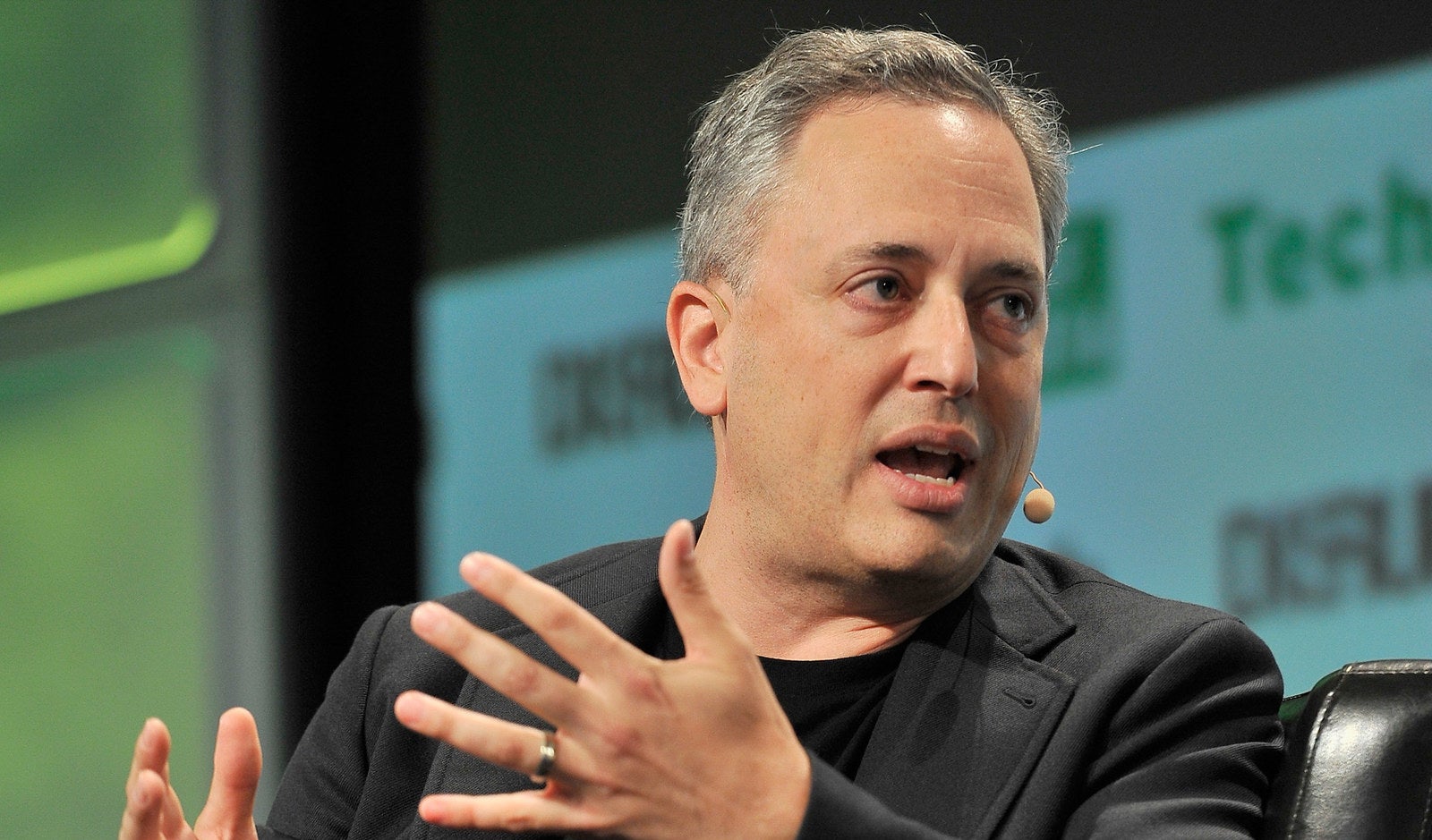
Zenefits CEO David Sacks.
Steve Jennings / Getty Images
Zenefits has agreed to pay a $7 million fine in a settlement with California regulators, a major milestone that will let the human resources startup continue operating in its home state, according to a person briefed on the deal.
The $7 million penalty, relating to the insurance licensing scandal that rocked the company earlier this year, is among the largest such penalties ever assessed against a company by the California insurance department. It also dwarfs the size of the fines levied against Zenefits by other states — including Washington, Arizona, Minnesota, New Jersey, and Tennessee.
More importantly for the San Francisco-based Zenefits, which ousted its founding CEO in February and has shed hundreds of staff, the deal will give the startup a second chance to play by the rules as an insurance broker in its biggest market.
Capping a fall that stunned Silicon Valley, Zenefits acknowledged this year that its founding CEO, Parker Conrad, created and shared with his employees a piece of software to cheat on California insurance broker licensing requirements. Any employee who used this program to bypass the legally required 52 hours of online training would then be directed to certify under penalty of perjury that they had actually completed the work.
In addition, Zenefits apparently flouted insurance laws by allowing unlicensed brokers to sell health insurance in multiple states. That revelation, first reported by BuzzFeed News a year ago, touched off an internal inquiry at Zenefits that uncovered the cheating program created by Conrad.
The California settlement caps a months-long effort by the new CEO, David Sacks, to atone for past missteps. Of the $7 million penalty, $4 million is for subverting licensing education and study hour requirements, while $3 million is for transacting insurance without licenses, the person briefed on the deal said. Half of the total amount will be waived after two years if Zenefits passes a market conduct examination, this person added.
Zenefits will also pay a $160,000 fee to reimburse the California insurance department for the cost of the investigation, as well as the market conduct examination, the person said.
The company's violations in California — where many sales reps got their initial insurance broker licenses — had a ripple effect throughout other states where it did business.
While insurance brokers have to get licensed in each state where they sell insurance, they typically take a broker test only in their home state; with that credential in hand, getting additional licenses in other states is just a matter of filling out forms online. Cheating on the California test, then, means that any other state licenses acquired afterward are based on a rotten foundation.
Regulators in other states have been keeping a close eye on the inquiry in California. Its settlement will likely be seen as a vote of confidence by California regulators, which could help Zenefits resolve other inquiries around the country.
Zenefits did not immediately provide a comment.
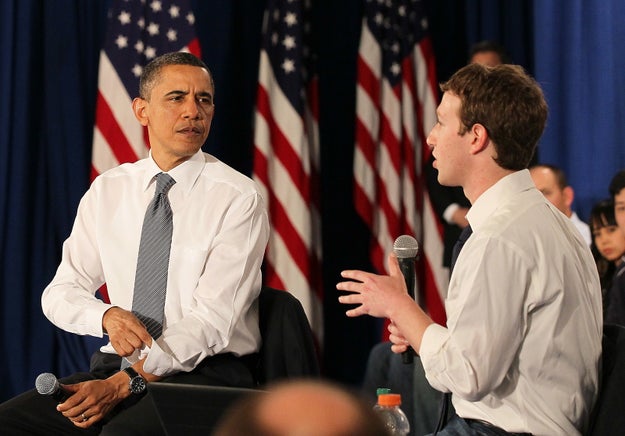
President Obama and Mark Zuckerberg in 2011
Justin Sullivan / Getty Images
Tomorrow, the White House will partner with Stanford University and the Chan Zuckerberg Initiative — a limited liability corporation launched by the CEO of Facebook and his wife — to co-host the Summit on Poverty and Opportunity, a two-day, invite-only event held on the school's campus. It will focus on using technology and innovation to address issues like poverty, inequality, and economic immobility. The event will include an interactive demo by Palantir, the secretive Peter Thiel-backed analytics company, on how a real-time data platform can reduce incarceration, hospital use, and homelessness, as well as a lunchtime conversation on universal basic income with Facebook cofounder Chris Hughes and Y Combinator's Sam Altman, who first got involved with basic income earlier this year.
The event was organized by representatives from each of the hosts, including Jim Shelton, president of education at the Chan Zuckerberg Initiative (and former deputy secretary of education under President Obama) as well as Elizabeth Mason, founding director of the new Stanford Poverty & Technology Lab, part of Stanford's Center for Poverty & Inequality.
Mason told BuzzFeed News that the summit was "sort of a coming-out party for the Lab." The goal of the event was to "bring together 275 high-level players in technology, philanthropy, community service, government, and academia to discuss how we can use technology and Big Data" to address these issues, she said by email. The Lab will develop "a new field" of study "that applies the premises and tools of technology to the policies and processes of fighting poverty." The Lab will also "incubate ventures with practical solutions on high-tech poverty fixes."
Silicon Valley's role in any potential fixes is nascent. In May, Altman announced plans for a pilot study on basic income in Oakland, however, in earlier interviews with BuzzFeed News, Altman stressed that it was just a "research project" and meant in that spirit. The summit will also host a session on using technology to facilitate financial access featuring the CEO of Kiva and the director of public policy for Lending Club, the troubled peer-to-peer financing company.
The list of attendees and speakers also includes ex-Microsoft CEO Steve Ballmer, White House CTO Megan Smith (formerly a top executive at Google), Martin Ford, author of two books on automation, including Rise of the Robots, Marian Edelman, founder of the Children's Defense Fund, Nobel Prize–winning economist Ken Arrow, and Bryan Desloge, president of the National Association of Counties, who backed Donald Trump in the presidential election and has participated in a previous White House summit on poverty.
The summit will also feature a roundtable discussion with Stanford professor Raj Chetty, a popular economist and MacArthur fellow, who researches economic immobility and will discuss plans to build a new database infrastructure that could steer and organize national research on poverty. An additional workshop will be held by Alexandra Bernadotte, founder of Beyond 12, a nonprofit dedicated to increasing the number of first generation, low-income, and other underrepresented students who graduate from college.
This event comes at a time when tech moguls like Mark Zuckerberg, and Sean Parker have been subject to increased scrutiny for their free-market approach to doing good, which eschews nonprofit foundations for traditional investment vehicles labeled as philanthropy. This structure allows wealthy donors control over the causes and initiatives that get funding, but without the oversight or accountability required of a nonprofit. Taken in that context, this summit is one example of Silicon Valley’s growing influence on philanthropy and ability to influence which ideas get heard.


